Can Physio Help Plantar Fasciitis and Heel Pain at Cumberland Physiotherapy Parramatta?

Physiotherapy at Cumberland Physio Parramatta CAN help plantar fasciitis, and for many people it’s one of the most effective non-surgical treatments.

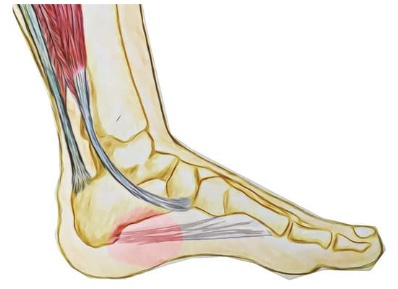
Plantar fasciitis is one of the most common causes of heel pain. It happens when the plantar fascia—a thick band of tissue that runs along the bottom of your foot from your heel to your toes—becomes irritated, inflamed, or overstressed.

Typical symptoms of Plantar Fasciitis

  • Sharp or stabbing heel pain, especially with the first steps in the morning or after sitting
  • Pain that improves as you move around but may return after long periods of standing or activity
  • Tenderness along the arch or heel

Common causes of Plantar Fasciitis

  • Overuse from running, long walks, or standing for long periods
  • Tight calf muscles or Achilles tendon
  • Flat feet or high arches
  • Poor footwear with little arch support
  • Sudden increase in physical activity

How physio helps at Cumberland Physiotherapy Parramatta:

Our Parramatta Physio Matthew West can:

  • Reduce pain and inflammation using manual therapy, massage, ice/heat, or modalities like ultrasound.
  • Improve flexibility by stretching the plantar fascia and calf muscles (tight calves often contribute to PF).
  • Strengthen foot and lower-leg muscles to support the arch and reduce strain on the fascia.
  • Correct biomechanical issues such as poor foot mechanics, overpronation, or gait problems.
  • Advise on footwear and orthotics, load management, and activity modification.
  • Provide taping techniques, such as low-dye taping, which can relieve stress on the plantar fascia.

Common physio treatments at Cumberland Physiotherapy Parramatta for plantar fasciitis:

  • Calf and plantar fascia stretching
  • Foot intrinsic muscle strengthening (e.g., towel scrunches, marble pickups)
  • Manual soft-tissue therapy
  • Night splints or taping
  • Gait and posture assessment

When to see Matthew West, our Parramatta physio:

  • Pain in the heel first thing in the morning
  • Symptoms lasting more than 2–3 weeks
  • Pain with walking, running, or standing
  • Recurrent episodes of heel pain

Groin Pain (Osteitis Pubis)

CUMBERLAND PHYSIOTHERAPY PARRAMATTA

What is Osteitis Pubis?

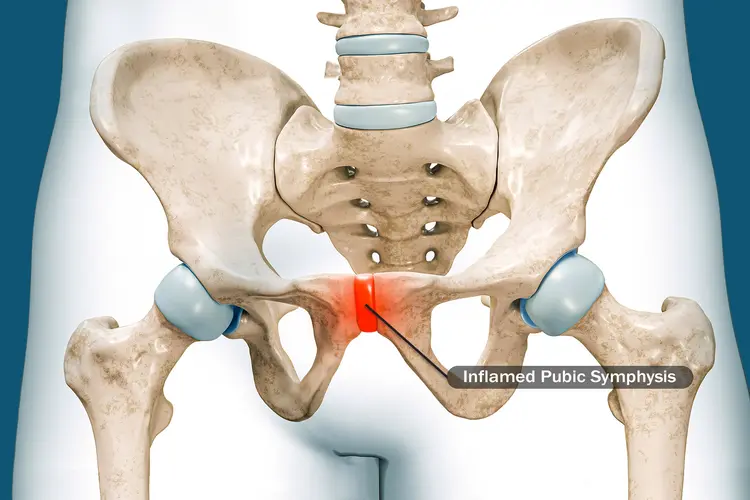
Osteitis Pubis is a medical term used to describe sports-related groin pain. Osteitis means ‘bone inflammation’, while pubis refers to the specific bone that is affected: the pubic bone. Osteitis pubis is usually an overuse injury that can sometimes be triggered by a specific event. It is characterized by pain deep within the front of the pubic bone, caused by inflammation. The area of the pubic bone affected is specifically known as the ‘pubic symphysis.

This type of injury is common in load-bearing athletes such as runners. Other people commonly affected include soccer players and footballers, due to their frequent kicking actions.

How does it happen?

Instability within the pelvic region is the primary cause of Osteitis Pubis, particularly if the instability occurs at the connection between the two sides of the pubic bones at the front of the body. The pelvis carries the weight of the upper body and is responsible for providing stability when walking, running and kicking. This means that the joint can easily become irritated and inflamed.

What are the signs and symptoms?

Osteitis pubis is aggravated by weight-bearing activities, with running and kicking being the two main culprits. Pain is usually experienced on one side, however, both sides can be affected. The pain is usually located at the front of the pelvis and may progress into the hip and groin area as it becomes more severe.

Sufferers of Osteitis Pubis tend to have a history of a previous groin strain, as well as lower back pain. They may also have a history of a sports hernia in the hip area. As with most inflammatory conditions, the pain may be worse when in use, better when resting, and worse overnight into the morning.

How can Physio help?

Our physio at Cumberland Physiotherapy Parramatta can help this condition in several ways and will hopefully get you back to your pre-injury sporting level. During the assessment, our physio will look at many different things to determine the cause of the condition. Muscle length, muscle strength and muscle control will all be assessed. Your posture in standing, walking and running will also be assessed to determine any irregularities.

Our physio will ask you to rest from sports for some time to allow some bony healing to occur. They will then progress you through a rehab program aimed at getting you back to the sport. This rehab program will retrain your muscles to stabilise the pelvis when walking, running and kicking.

The muscles will also need to have relatively equal flexibility to help stabilize the pelvis. Your physio will give you specific exercises to target the strength and flexibility of these muscles. Finally, our physio will progress you to running or kicking, and allow you to gradually return to sport over a 3-to-6-month period.

The information in this article is not a replacement for proper medical advice. Always see a medical professional for an assessment of your condition.