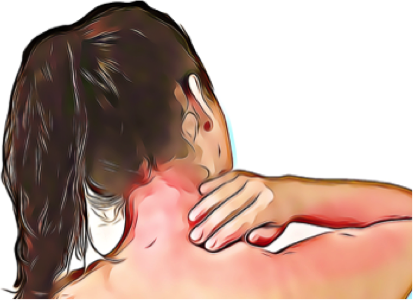
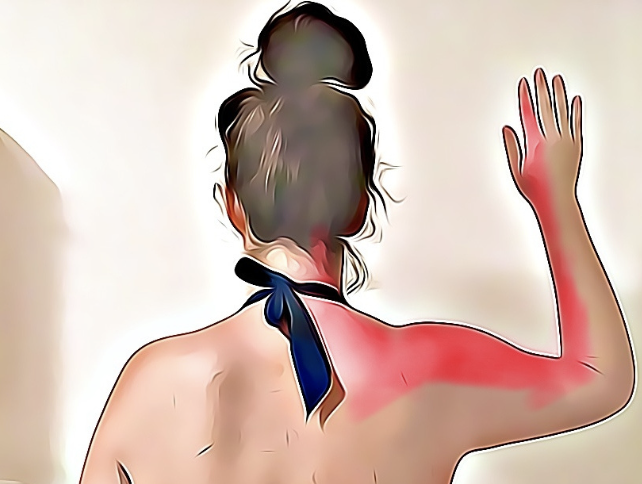
Four Surprising Causes Of Neck Pain at Cumberland Physiotherapy Parramatta

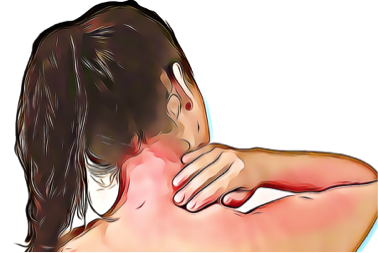
If you are experiencing regular neck pain that just won’t go away, it’s possible that parts of your daily
routine are contributing without you realising. Here are a few common everyday activities that might be
making your neck pain worse.

Your sleeping position

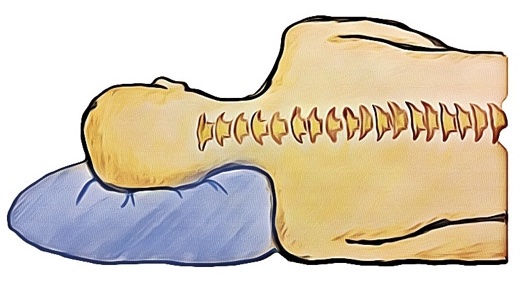
It’s easy to underestimate the impact your sleeping position has however, spending hours in one
position will undoubtedly have an effect on your body. Pillows that are too high or too flat can mean
your cervical joints are sitting at the end of their range in too much flexion or extension. Similarly,
sleeping on your stomach often means your thoracic spine is locked into extension and your neck is fully rotated. In simpler terms, this means your joints are under more stress than necessary. Ideal sleeping posture allows your spine to maintain it’s natural curves.

Your daily commute

Many of us make sure our work stations are ergonomically set up to reduce stress and strain
throughout the day. Few of us take the same consideration when it comes to driving. In fact, the set up
of your car can be just as important as your work-desk, particularly if you are driving more than 30
minutes everyday. The correct setup in your car can mean you use less effort to drive and turn your
head less often to check traffic.
Ensuring that your steering wheel, seat and mirrors are set up correctly could make a difference to your
posture and even perhaps reduce neck pain and headaches. If you find that driving is still affecting your
pain after making these changes, try catching public transport or riding a bike on alternative days.

Your downtime

Many of us unwind by watching TV or our laptops at the end of the day. Your position during this time
can be something you give little thought to however, looking up to view a screen mounted on a wall or
looking down at a small screen or laptop can put pressure on the upper structures of the neck. Take a
few minutes to consider what posture you’re sitting in before settling down to binge-watch a series and
see if you can either lower the height of your screen or raise it slightly so your neck can be in a more
neutral position.

Your exercise routine

Any activity that requires sustained positions or repetitive neck movements can contribute to neck pain.
Cyclists can be stuck in neck extension while looking ahead and breast stroke swimmers can also have
excess neck extension. Freestyle swimmers with reduced thoracic or neck rotation can have difficulty
achieving rotation when breathing which can cause pain and discomfort over time.

Your physiotherapist Matthew West at Cumberland Physio Parramatta is able to identify any daily habits or activities that might be contributing to your neck pain.

Come and see us for an appointment to see how we can help.

    Anterior Ankle Impingement at Cumberland Physiotherapy Parramatta

    What is it?

    Anterior ankle impingement, also known as anterior impingement syndrome, is a musculoskeletal
    condition where repetitive forces compress and damage the tissues at the front of the ankle, causing
    pain and stiffness. It is a common injury that can affect people of all ages; however, it is usually seen in
    athletes of sports involving repetitive or forceful upward movements of the ankle, such as sprinting,
    landing from long jump, and uphill or downhill running.


    What are the symptoms?

    Pain at the front of the ankle is the primary symptom of anterior ankle impingement. This can be felt as
    an intense, sharp pain occurring with ankle movements or a dull ache at the front of the ankle following
    periods of exercise. Pain can also be felt when putting weight through the ankle while standing, walking,
    or running. Night-time aching, stiffness, swelling, and reduced ankle flexibility are also common
    symptoms of anterior ankle impingement.

    How does it happen?

    Anterior ankle impingement is caused by traumatic or repetitive compression to the structures at the
    front of the ankle as the tibia and talus move towards each other during ankle movements. The tissues
    that are affected become damaged and inflamed, causing the pain typical of ankle impingement.
    Chronic inflammation can lead to further stiffness, exacerbating the impingement process.
    The most common risk factor for ankle impingement is a previous ankle sprain that was not adequately
    rehabilitated, as this can result in a stiff or unstable ankle. Another cause of impingement is the growth
    of small osteophytes or bony spurs around the ankle joint that press against the nearby soft tissues.
    These can be due to osteoarthritis or may grow as a reaction to impingement itself. Training errors,
    muscle tightness, unsupportive footwear, and a hypermobile ankle have also been shown to be risk
    factors for anterior ankle impingement.

    How can physiotherapy at Cumberland Physio Parramatta help?

    Depending on the cause, mild cases of anterior ankle impingement usually recover in one to two weeks
    with rest and physiotherapy intervention. For more severe impingement, the ankle may require up to
    six weeks of rest and rehabilitation to recover. In rare cases, surgical intervention will be required to
    remove any physical causes of impingement, such as osteophytes, to restore impingement-free
    movement of the ankle. Your physiotherapist Matthew West at Parramatta will first identify the cause of your ankle impingement and help you choose the best course of action to reduce your symptoms. They are able to advise you on the appropriate amount of rest and provide stretches and exercises to restore strength and flexibility to the ankle.

    Mobilisation techniques and range of motion exercises can also reduce stiffness of the ankle, restoring
    normal joint movement. Balance and proprioception exercises are included to prevent further ankle
    injury. Balance exercises challenge the way your body reacts to outside forces. With this, your balance
    will be improved, and you’ll have a more stable ankle.

    Ideally, physiotherapy treatment is the first step before considering surgery. If surgery is required, your
    physiotherapist can help you make a full recovery with a post-surgical rehabilitation program.


    None of the information in this article is a replacement for proper medical advice. Always
    see a medical professional for advice on your individual condition.

    Can Physio Help Plantar Fasciitis and Heel Pain at Cumberland Physiotherapy Parramatta?

    Physiotherapy at Cumberland Physio Parramatta CAN help plantar fasciitis, and for many people it’s one of the most effective non-surgical treatments.

    Plantar fasciitis is one of the most common causes of heel pain. It happens when the plantar fascia—a thick band of tissue that runs along the bottom of your foot from your heel to your toes—becomes irritated, inflamed, or overstressed.

    Typical symptoms of Plantar Fasciitis

    • Sharp or stabbing heel pain, especially with the first steps in the morning or after sitting
    • Pain that improves as you move around but may return after long periods of standing or activity
    • Tenderness along the arch or heel

    Common causes of Plantar Fasciitis

    • Overuse from running, long walks, or standing for long periods
    • Tight calf muscles or Achilles tendon
    • Flat feet or high arches
    • Poor footwear with little arch support
    • Sudden increase in physical activity

    How physio helps at Cumberland Physiotherapy Parramatta:

    Our Parramatta Physio Matthew West can:

    • Reduce pain and inflammation using manual therapy, massage, ice/heat, or modalities like ultrasound.
    • Improve flexibility by stretching the plantar fascia and calf muscles (tight calves often contribute to PF).
    • Strengthen foot and lower-leg muscles to support the arch and reduce strain on the fascia.
    • Correct biomechanical issues such as poor foot mechanics, overpronation, or gait problems.
    • Advise on footwear and orthotics, load management, and activity modification.
    • Provide taping techniques, such as low-dye taping, which can relieve stress on the plantar fascia.

    Common physio treatments at Cumberland Physiotherapy Parramatta for plantar fasciitis:

    • Calf and plantar fascia stretching
    • Foot intrinsic muscle strengthening (e.g., towel scrunches, marble pickups)
    • Manual soft-tissue therapy
    • Night splints or taping
    • Gait and posture assessment

    When to see Matthew West, our Parramatta physio:

    • Pain in the heel first thing in the morning
    • Symptoms lasting more than 2–3 weeks
    • Pain with walking, running, or standing
    • Recurrent episodes of heel pain

    Physiotherapy for Ankle Instability at Cumberland Physio Parramatta

    Physiotherapy for ankle instability at Cumberland Physio Parramatta focuses on restoring strength, balance, proprioception (joint position awareness), and functional control after ankle sprains or chronic instability.

    Here is a structured overview:

    Assessment at Cumberland Physio Parramatta

    Before starting exercises, our Parramatta physiotherapist Matthew West will evaluate:

    • History of ankle sprains or “giving way” episodes
    • Range of motion (ROM)
    • Ligament stability (anterior drawer test, talar tilt test)
    • Muscle strength and balance
    • Gait and functional movements (e.g., single-leg stance)

    Rehabilitation Phases at Cumberland Physio Parramatta

    Phase 1: Acute Phase (0–1 week post-injury or pain flare-up)

    Goals: Reduce pain, swelling, and protect the ankle.

    • Rest, Ice, Compression, Elevation (RICE)
    • Pain-free ROM exercises:
      • Alphabet writing with toes
      • Gentle ankle circles
    • Isometric exercises:
      • Push foot gently against immovable object (in all directions)

    Phase 2: Subacute Phase (1–3 weeks)

    Goals: Restore mobility, begin strengthening.

    • Active ROM: Plantarflexion, dorsiflexion, inversion, eversion (within pain-free limits)
    • Theraband strengthening:
      • Resistance band ankle eversion/inversion
      • Dorsiflexion and plantarflexion
    • Weight-bearing exercises:
      • Heel raises
      • Mini-squats

    Phase 3: Proprioception and Balance (3–6 weeks)

    Goals: Improve joint control and prevent re-injury.

    • Balance exercises:
      • Single-leg stance (progress to eyes closed or on unstable surface)
      • Use wobble board/BOSU ball
    • Dynamic control:
      • Step-ups
      • Lunges
      • Side-stepping with resistance band

    Phase 4: Functional and Sport-Specific Training (6+ weeks)

    Goals: Return to full activity safely.

    • Agility drills:
      • Ladder drills
      • Hopping and skipping patterns
      • Zig-zag runs
    • Plyometrics:
      • Box jumps
      • Single-leg hops
    • Sport-specific drills: mimic cutting, turning, or landing movements

    Additional Treatments at Cumberland Physio Parramatta

    • Manual therapy: Joint mobilisations to restore ankle dorsiflexion
    • Taping or bracing: To improve proprioception and support during activity
    • Footwear advice: Proper shoes with lateral support or orthotics if needed

    Prevention of Re-Injury at Cumberland Physio Parramatta

    • Continue balance and strengthening exercises long-term
    • Warm up properly before sport
    • Avoid uneven surfaces until confident
    • Use ankle brace if instability persists

    Book to see our Parramatta Physio Matthew West at Cumberland Physiotherapy to begin your rehabilitation plan.

    Learn Why Joints Become Stiff: Cumberland Physiotherapy Parramatta

    While pain and stiffness often go together, you may have noticed a few stiff joints that are not painful. Joint stiffness can limit your ability to perform usual tasks and can be a warning sign that part of the body is vulnerable to future injury. There are many different causes of joint stiffness, and treatment of each type requires accurate assessment and diagnosis from a health professional such as our physio Matthew West from Cumberland Physio Parramatta.

    Here are a few of the most common causes of joint stiffness:

    Disuse and Lack of Movement

    When we are not regularly moving our joints through their full range, they can begin to feel ‘tight’. This can be caused by a combination of the capsule that surrounds the joint tightening up and the muscles that surround the joint shortening and losing flexibility.

    The easiest way to maintain full flexibility is to regularly move joints through their full range. This also helps to keep muscles and joints healthy.

    Osteoarthritis (OA)

    OA is a degenerative disease characterised by a breakdown of the joint surface cartilage and the growth of bony osteophytes around areas of stress. While OA is increasingly common as we age, it is thought that the primary cause is abnormal load and stress on joint surfaces, not simply ageing itself. As the joint space between two joint surfaces becomes uneven, joints affected by OA can feel stiff or even ‘blocked’.A person with OA will usually feel stiff for around 15–20 minutes after long periods of rest.

    Physiotherapy programs prescribed at Cumberland Physio Parramatta are designed to strengthen the muscles surrounding the joints, and thereby help absorb weight-bearing forces, have been shown to have positive results on OA symptoms.

    Inflammatory-Related Stiffness

    The inflammatory process causes swelling and pain around a specific area. As an area swells, there is less space for movement and a resulting sensation of stiffness — as anyone who has sprained an ankle can attest to. Autoimmune disorders can cause the body to mistakenly mount an inflammatory reaction where there has been no injury, resulting in pain and stiffness for long periods of time.

    Treatment of any joint stiffness requires thorough assessment by a physiotherapist such as Matthew West at Cumberland Physio Parramatta to identify the root cause of reduced flexibility. Come and speak to Matthew if you’re noticing reduced movement in your joints.

    Focus on Stress Fractures at Cumberland Physiotherapy Parramatta

    What is a Stress Fracture?

    A stress fracture is a microscopic fracture of the bone that is so small it often cannot be picked up on an X-ray. If left untreated, a stress fracture can cause significant disability and may develop into a full fracture, possibly even requiring surgery.

    The majority of stress fractures occur in the lower limb, being particularly common in the hip, shins, and foot at points where the most force passes through when weight-bearing. Most stress fractures are overuse injuries and are common in long-distance runners.

    What are the Symptoms?

    As with many overuse injuries, the pain of a stress fracture starts gradually, beginning with pain during or after activity, or sometimes the morning after. If activity continues without modification, the pain will gradually increase. Eventually, most people are unable to maintain their usual activity level. Stress fractures are common in runners and military personnel who are required to march for long periods.

    A stress fracture is more likely to occur in someone with weaker bone strength, such as a person with osteoporosis, which is itself affected by many factors such as inadequate calcium intake, vitamin D deficiency, and a history of inactivity.

    How are Stress Fractures Treated and How Long Will It Take to Get Better at Cumberland Physio Parramatta?

    Stress fractures can easily be mistaken for other conditions such as shin splints. As the fracture is often too small to show up on an X-ray, a definitive diagnosis can be made using an MRI or bone scan.

    After diagnosis, the most important part of treatment is resting the affected area to allow the bone to heal before resuming activity. Stress fractures usually need at least six weeks to recover fully. Some areas of the body have a poor blood supply, which makes healing more complicated. For example, stress fractures of the navicular bone in the foot may need to be immobilised in a boot or cast for a period of time to heal properly.

    Other aspects of treatment involve correcting any factors that contributed to the original injury. There is some evidence that unsupportive footwear is a risk factor, along with poor biomechanics and weak muscles that provide inadequate support to the skeletal system during activity. Come and speak to our physiotherapist Matthew West at Cumberland Physio Parramatta if you suspect you may have a stress fracture or simply want to know more.

    None of the information in this article is a replacement for proper medical advice. Always see a medical professional for advice on your injury.

    Migraine Treatment at Cumberland Physiotherapy Parramatta

    Physiotherapy can be a useful component in managing migraines for many people. Physiotherapy at Cumberland Physio Parramatta can be used alongside medical care, lifestyle adjustments, etc.,

    Physio Treatment can reduce frequency, intensity, and duration of migraine attacks.

    How Physiotherapy at Cumberland Physio Parramatta helps with migraines

    1. Addressing musculoskeletal contributors
      Many migraine sufferers also have neck stiffness, poor posture, tightness in shoulder, upper back, jaw, etc. These musculoskeletal issues can trigger or worsen migraines. Our Physio Matthew West can assess and treat these.
    2. Exercise therapy
      Regular exercise, when tailored well, is shown to reduce migraine frequency, severity and improve quality of life. Aerobic exercise, neck/upper-back strengthening, and flexibility work are often part of a plan.
    3. Manual therapy / hands-on treatments
      Techniques such as joint mobilisation of the cervical spine, soft tissue massage, trigger‑point release, myofascial techniques etc., to reduce tension and improve mobility.
    4. Posture correction & ergonomics
      Improving posture (especially around the neck, head, shoulders), ergonomics (desk setup, screen height, etc.) to reduce continual strain that may contribute to migraine triggers.
    5. Stress management, relaxation, breathing work
      Because stress and tension often trigger migraines, physios may teach breathing techniques, relaxation strategies (progressive muscle relaxation etc.), sometimes gentle stretching to reduce baseline tension.
    6. Identifying trigger points / associated regions
      Sometimes migraines are aggravated by issues in temporomandibular joint (jaw), or dysfunction in eye movement systems, etc. Our Physio Matthew West may assess and treat those.

    What kind of physiotherapy interventions are often used by Matthew West at Cumberland Physio Parramatta:

    Here are some practical physiotherapy techniques and exercises that are often part of migraine management:

    • Neck stretches and mobilisations
    • Chin tucks, gentle strengthening of deep neck flexors
    • Scapular / shoulder blade strengthening (to reduce tension in shoulders/upper back)
    • Postural correction drills (e.g. pulling head back, shoulder retraction)
    • Upper thoracic spine mobilisations (if stiff)
    • Trigger-point release / myofascial release
    • Soft tissue massage of the neck/shoulders
    • Relaxation / breathing exercises

    Things to watch out for / limitations

    • Not all migraines are the same. Some are more strongly neurologically driven; in those, physio may help less or with more difficulty.
    • Some exercises or manual therapy might initially increase symptoms; it’s important to do things gradually, in consultation with a physio such as Matthew West from Cumberland Physio Parramatta who has extensive experience with treating headaches/migraines.
    • Avoid triggering movements or over‑exertion. Intensity, duration, and type of exercise need to be personalised. What’s helpful for one person may trigger migraine in another.
    • Physio doesn’t replace medication or other medical treatment when needed; it’s usually part of a multi-modal approach.
    • Consistency matters: benefits usually accrue over weeks or months of regular physiotherapy / exercise. BioMed Central+1

    Cumberland Physiotherapy Parramatta Cervicogenic Headaches

    Image Attribute: https://www.physio-pedia.com/Cervicogenic_Headache#/media/File:CervicogenicHeadache.jpg

    Cumberland Physio Parramatta: Physiotherapy can be highly effective for managing cervicogenic headaches (CGH), which are headaches originating from dysfunction in the cervical spine (neck), particularly the upper cervical joints (C1-C3). These headaches often mimic tension or migraine headaches but are caused by musculoskeletal issues.

    Goals of Physiotherapy for Cervicogenic Headaches at Cumberland Physio Parramatta

    1. Reduce pain
    2. Improve cervical spine mobility
    3. Correct posture
    4. Strengthen neck and upper back muscles
    5. Prevent recurrence

    Key Physiotherapy Techniques for Cervicogenic Headaches at Cumberland Physio Parramatta

    1. Manual Therapy

    • Joint mobilization or manipulation of the upper cervical spine (especially C1-C3)
    • Soft tissue mobilization to release tension in neck muscles (e.g., suboccipitals, SCM, upper trapezius)
    • Trigger point therapy for myofascial pain

    2. Exercise Therapy

    • Deep neck flexor training:
      • Example: Chin tucks (gentle retraction of the head)
    • Postural correction exercises:
      • Scapular retraction
      • Thoracic extension exercises
    • Cervical stabilization:
      • Strengthening exercises for neck and shoulder girdle
    • Stretching tight muscles:
      • Upper trapezius, levator scapulae, suboccipitals, pecs

    3. Postural Re-education

    • Education on ergonomics (workstation setup, sleeping posture)
    • Guidance on avoiding forward head posture and prolonged flexion

    4. Neural Mobilisation

    • Techniques to mobilize the cervical nerves if there’s nerve root involvement or radiculopathy

    5. Dry Needling

    Education & Self-Management at Cumberland Physio Parramatta

    • Headache diary to identify triggers
    • Stress management
    • Home exercise program adherence

    Our Titled Musculoskeletal Physio Matthew West at Cumberland Physiotherapy Parramatta is extensively experienced in treating cervicogenic headaches over the past 30 years.

    Or Call for an appointment 02 9635 9356

    Benefits for Physiotherapy for Tension Headaches at Cumberland Physiotherapy Parramatta

    Physiotherapy at Cumberland Physiotherapy Parramatta can be very effective for managing and reducing tension-type headaches (TTH) — the most common form of headache, often described as a dull, aching pain on both sides of the head, sometimes with neck or shoulder tension.

    Key Benefits of Physiotherapy for Tension Headaches at Cumberland Physiotherapy Parramatta:


    1. Relieves Muscle Tension

    • Targeted treatment for tight muscles in the neck, shoulders, and upper back (common sources of TTH).
    • Our physiotherapist Matthew West at Cumberland Physio Parramatta utilises techniques like manual therapytrigger point release, and massage to reduce muscle tightness and spasm.

    2. Improves Posture

    • Poor posture (e.g. forward head, slouching) is a major contributor to tension headaches.
    • Our physiotherapist Matthew West at Cumberland Physio Parramatta can provide postural correction exercises and ergonomic advice to reduce strain on neck and upper back.

    3. Restores Neck Mobility

    • Limited or stiff cervical spine movement can trigger or worsen headaches.
    • Our physiotherapist Matthew West at Cumberland Physiotherapy Parramatta can treat you with joint mobilisationsstretching, and range-of-motion exercises to restore healthy neck movement.

    4. Reduces Headache Frequency & Intensity

    • Studies show that regular physiotherapy can reduce the number of headache days and lower intensity and duration of episodes.

    5. Provides Stress Management Tools

    • Since stress is a major trigger, our physiotherapist Matthew West at Cumberland Physiotherapy Parramatta often incorporates:
      • Relaxation techniques
      • Breathing exercises
      • Biofeedback training

    6. Educates & Empowers

    • Our physiotherapist Matthew West at Cumberland Physio Parramatta can provide education about triggers, posture, ergonomics, and lifestyle changes gives you more control over your headaches.
    • Long-term self-management strategies reduce reliance on medications.

    Common Physiotherapy Techniques Utilised by our physiotherapist Matthew West at Cumberland Physiotherapy Parramatta for Tension Headaches:

    • Soft tissue massage
    • Myofascial release
    • Dry needling (if appropriate)
    • Cervical spine mobilizations
    • Stretching & strengthening exercises
    • Neural mobility exercises

    Running Tips for Beginners

    CUMBERLAND PHYSIOTHERAPY PARRAMATTA

    If you’ve just taken up running, you probably think that getting started is simple – you just run as far as you can and then run further the next time. Like most things, the reality is a little more complicated. Here are some tips to make the most of your running program and avoid injury.

    1. Don’t overdo it

    Rest is actually a big part of a training program. Your body needs time to recover and rebuild muscle. Not giving yourself adequate time to rest leads to greater risk of injury and you won’t improve as quickly as you might think.

    Aim to run three times a week.

    2. Don’t forget strength training.

    Even if you’re trying to improve endurance, surprisingly, increasing strength can make a big difference. Particularly if you focus on specific muscles that may be weaker on one side of the body. This is also an important part of injury prevention. Our physiotherapist at Cumberland Physiotherapy Parramatta can help you to identify any weak muscles and develop a strengthening program.

    3. Your shoes and running surface matter.

    Running on hard or uneven surfaces leads to a greater risk of injury than running on grass, which allows for a more natural distribution of forces through your foot. Having shoes that fit your foot properly and also provide necessary support is an essential part of your injury prevention plan.

    4. Listen to your body.

    As you improve and push your abilities forward there will be many aches and pains. Most will only last for a day or two and DOMS (delayed onset muscle soreness) is a normal if not annoying part of getting stronger. However, if pain feels more serious, lasts for more than 48 hours or is preventing you from running speak to a professional as soon as possible. Running injuries do happen and can take a while to resolve. Early treatment is the best option for good outcomes.

    Speak to our physiotherapist at Cumberland Physiotherapy Parramatta for more practical tips on how to improve your running and prevent injuries.